
 Jui Trivedi

It’s the question we hear all the time:
“When’s the right time to sell my business?”
It’s the “Are we there yet?” of entrepreneurship—except the road trip is your company, and instead of a detour, bad timing could cost you millions.
COVID was a wake-up call. Owners confronted their own health, stress, and the sobering fact that markets shift fast. Some acted. Others hesitated. Most weren’t ready.
So when is the right time to step away—and how do you make sure you’re ready when that time comes?
In theory, the best time to sell or transition is when:
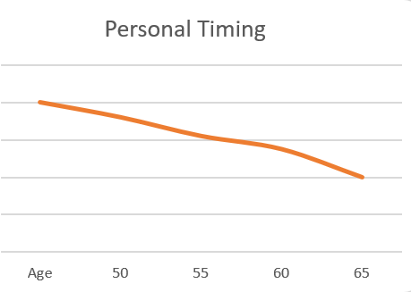
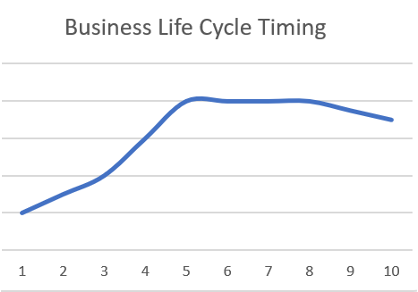
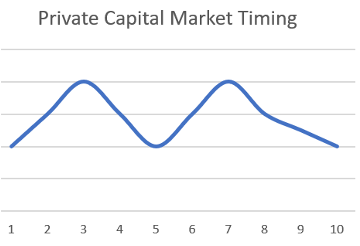
Those three factors -you, your business, and the market -combine to shape both timing and value. When they line up, your company is in the strongest position to command top dollar. But if even one of them is off, the picture gets murkier.
Let’s break that down.
Your energy, motivation, health, and personal goals are all part of the equation. And they matter more than people think.
If you’re burned out or slowly disengaging, that tends to show up in the business, even if you’re trying to push through. Buyers will pick up on it. They’ll start wondering what’s been left undone or where leadership is lagging. That affects value.
This isn’t just about knowing when you’re done. It’s about being honest with yourself about when your enthusiasm has started to shift.
Every company goes through phases: growth, maturity, then eventual decline. That’s normal. But valuation depends on what’s ahead, not just what’s in the rearview mirror.
A company with $1 million in EBITDA and steady 10% growth is going to be far more attractive than one with the same earnings but no growth in sight. Buyers want to ride a wave, not catch the tail end of it.
So even if things look good now, consider how long you’ll stay on that upswing. Timing matters.
The private capital market doesn’t operate in a vacuum. It reacts to interest rates, lending conditions, taxes, and broad economic sentiment.
There are windows when financing is readily available and buyers are confident. And there are times when deals slow down, even for good businesses. You don’t control the market, but you need to be aware of how it might affect your timing.
It’s rare for all three of those factors to align perfectly. Most business owners only recognize the ideal moment in hindsight.
In fact, studies show that over half of business sales are triggered by external events — illness, family issues, burnout, market changes, or financial strain. That’s when people find themselves suddenly at the table, negotiating from a position of necessity instead of strength.
That doesn’t mean those deals don’t happen. But they’re often more rushed, and the owner has fewer options and less leverage.
Rather than aiming for the perfect moment, aim for readiness.
Start with a clear understanding of your personal and business goals. Know what you’d want in a future transition: timing, value, legacy, whatever matters most. Then build your company with that outcome in mind.
Bo Burlingham, author of Finish Big, said it best:
“Build your company as if it’s going to last forever, but make sure you could sell it tomorrow.”
That mindset of “always being prepared” gives you flexibility. It also creates a stronger, more valuable business even if you decide to hold on longer.
A transition-ready business isn’t just about preparing for an exit. It’s about building something that’s efficient, attractive, and scalable now.
It means:
Even if you’re not planning to sell anytime soon, an exit strategy is simply smart strategy. It sharpens your operations, improves decision-making, and increases profitability.
You don’t have to know exactly when you want to exit. But the smartest move is to start preparing now.
Because whether you plan to transition in two years or ten, the only thing worse than exiting at the wrong time is not being ready when the right time finally shows up.
Jui Trivedi is a Managing Partner and an M&A advisor at Next Point, a strategic advisory firm helping business owners plan and execute successful exits. Learn more at nextpointllc.com.